By [email protected] — Charting the depths of expertise
In a cleanroom environment, improper selection of cleanroom wipes can become a source of contamination. Their performance directly determines product yield and quality. This article explores how to scientifically select and standardize the use of cleanroom wipes, providing a reference for your purchasing decisions.
I. Five Core Selection Points
1. Material Determines Performance Limits
Material is the foundation of a wipe's performance, affecting key indicators such as cleanliness, durability, absorbency, and chemical compatibility.
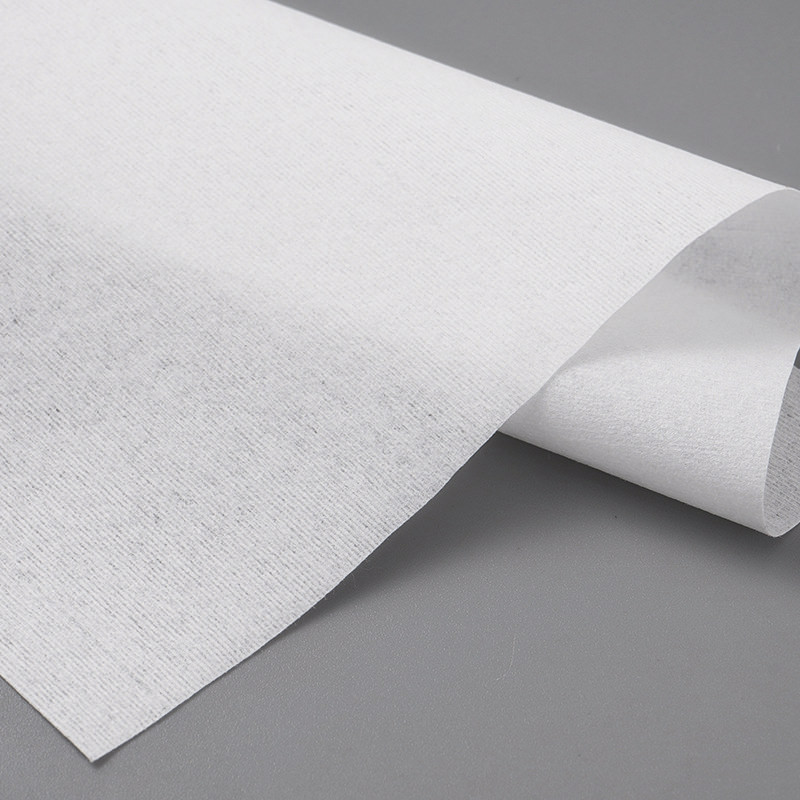
Polyester Cleanroom Wipes (Standard/Sub-microfiber): Using continuous filament knitting or weaving processes, these have extremely low particle counts and excellent durability and abrasion resistance. They are suitable for wiping sensitive surfaces, research areas, or finished products in Class 1000+ cleanrooms. This material withstands gamma irradiation sterilization and is a high-value basic choice. Microfiber Cleanroom Wipes: Typically a blend of 80% polyester and 20% nylon. They offer superior removal of particles smaller than 0.5 microns, along with excellent solvent absorption and chemical resistance. They are the top choice for Class 100 cleanrooms in the electronics, optics, and semiconductor industries. Cleanroom Roll Wipers: With strong tensile strength and outstanding removal capability for solder paste, red glue, ink, and powder residues, these are designed for the COG process in the LCD industry and are suitable for automated operations. Antistatic Cleanroom Wipes: Excellent antistatic wipes embed high-performance conductive threads during weaving. They are soft with a durable antistatic effect that remains after repeated washing. Suitable for wiping precision electronic components to effectively prevent static damage.
2. Edge Sealing Affects Cleanliness
The cutting process itself generates particles, so the edge sealing method directly determines the amount of lint released from the cloth edge.
| Edge Type | Features | Economy | Shedding Rate | Applications |
|---|---|---|---|---|
| Knife Cut (Cold Cut) | No sealing. Extremely high risk of linting and shedding. Cannot be washed as edges unravel easily. | ★★★★★★ | ★★★★★★ | Wiping and maintenance of general equipment with low cleanliness requirements. |
| Laser Sealed | Strong seal, high precision, neat edges. However, the edge is hard (sintered mass), which may scratch sensitive surfaces and is prone to yellowing. | ★★★★★ | ★★★★ | Meets most high-cleanliness requirements. Suitable for non-sensitive surfaces like PCB cleaning. |
| Thermal Cut | Seal combines strength and softness with high cleanliness. Improper process control can lead to jagged edges, yellowing, or ruffled edges. | ★★★★ | ★★★★★ | Suitable for high-cleanliness scenarios; commonly used for sealing cleanroom roll wipers. |
| Ultrasonic Narrow Sealed | Seal is typically <0.5mm. Tensile strength is relatively weak; edges may fray after washing, but are softer than wide edges. Edges resist shedding. Cleanliness and softness are superior to laser/thermal cuts, but the fraying risk after washing is higher. | ★★★ | ★★★ | Scenarios with extremely high requirements for cleanliness and surface protection, such as wiping semiconductor chips and optical lenses. |
| Ultrasonic Wide Sealed | Seal is typically ≥0.5mm. Extremely high cleanliness (Class 10 standard), minimizing edge shedding. Edges will not fray after washing, but are harder and may scratch products. Usually used with edges folded inward. | ★★ | ★ | Same as above. |
| Ultrasonic Wide Patterned Sealed | Softer and more resistant to fraying than wide sealed edges, but with a slightly higher shedding rate because some fabric at the edge is not ultrasonically pressed. | ★ | ★★ | Same as above. |
3. Size Matching Operational Needs
Standard sizes include 4, 6, 9, and 12 inches. A 9x9 inch wipe folded into quarters fully covers the palm, offering flexibility and versatility. 12x12 inch wipes are suitable for large surface cleaning or handling spill accidents.
4. ESD Requirements
In electronics manufacturing, antistatic cleanroom wipes require a stable surface resistance of 10^6-10^9Ω. Conductive threads release static electricity to avoid attracting dust or damaging chips. For lower requirements, wipes treated with antistatic liquid can be used.
5. Cleanliness Class vs. Environment
Wipe classification centers on Airborne Particle Count (APC), measured via the Helmke Drum test. A 9-inch sample is tumbled in a 1-cubic-foot drum at 10 rpm to simulate friction. A laser particle counter samples the air to count particles ≥0.5μm:
Class 10: ≤10 particles/ft³ Class 100: ≤100 particles/ft³ Class 1000: ≤1000 particles/ft³
Higher classes demand stricter control over Liquid Particle Count (LPC), Ion Content (IC), and Non-Volatile Residue (NVR). A Class 100 wipe (LPC≤3000/cm², IC≤2.0μg/g, NVR≤0.8mg/g) fits the strictest process environments.
II. Standard Cleaning & Wiping Procedures
Standardized operation maximizes wipe efficiency:
Folding: Wearing cleanroom gloves, fold the wipe twice in mid-air (to 1/4 size) to form multiple flat, clean surfaces. Unidirectional Wiping: Wipe in one direction parallel to the surface (no circular or curved motions). Each stroke should overlap the previous by 10% to 25%. Cleaning Sequence: Follow the "Clean to Dirty" principle, wiping from the cleanest area to the dirtiest (e.g., top to bottom, far to near). Refolding: After each stroke, switch to a clean face of the wipe or refold to ensure a clean surface always contacts the object. Disposal: After use, dispose of the wipe according to facility regulations.
III. Key Quality Inspection Indicators
For high requirements, check these data points during purchase:
Particle Generation: Lower APC and LPC data is better. Abrasion Resistance: Determines the risk of shedding debris. Absorbency: Match absorption capacity to the solvent type. Ion Content: Sodium, potassium, and chloride ions must be within standard limits.
IV. Purchasing Suggestions
Selecting cleanroom wipes is about "matching," not "the more expensive, the better." Do not base decisions solely on price. Comprehensively evaluate material suitability, edge sealing reliability, data authenticity, and usage cost to choose the best value. Ultra-high precision processes like wafer fabrication require microfiber + ultrasonic sealing + Class 10/100 standards. For general Class 1000 equipment cleaning, polyester + laser/thermal sealing balances cost and quality.
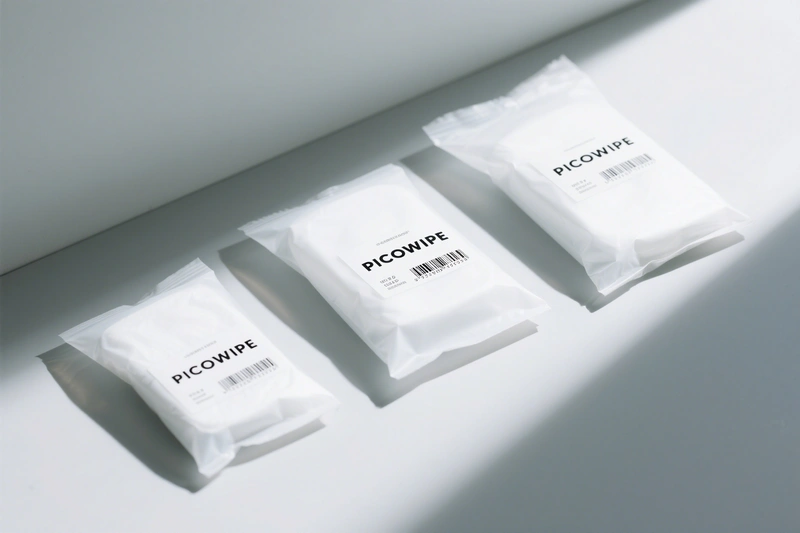
Manufacturers with 20 years of experience and in-house testing labs, like PICOWIPE, can provide batch APC data and are reliable choices for long-term cooperation.
Small sample testing is recommended before purchasing. Manufacturers typically provide free samples.